
Sectional garage door headroom is a vital consideration, as most sectional doors require sufficient ceiling space to allow the door panels, tracks, springs, and automation to operate safely and smoothly. The exact amount of space needed depends on the door height, garage layout, track configuration, and whether the door will be automated — which is why checking your headroom is one of the most important steps before choosing a new door.
For Auckland homeowners, headroom constraints are common, especially in older homes, renovations, and garages built before modern automation became standard. Understanding how sectional doors use space helps avoid costly design changes later.
Headroom refers to the vertical space between the top of the garage opening and the ceiling (or the lowest obstruction above it). This space is required for:
Unlike roller doors, which coil into a drum above the opening, sectional garage doors travel along the ceiling once fully open. This makes ceiling space a critical planning factor.
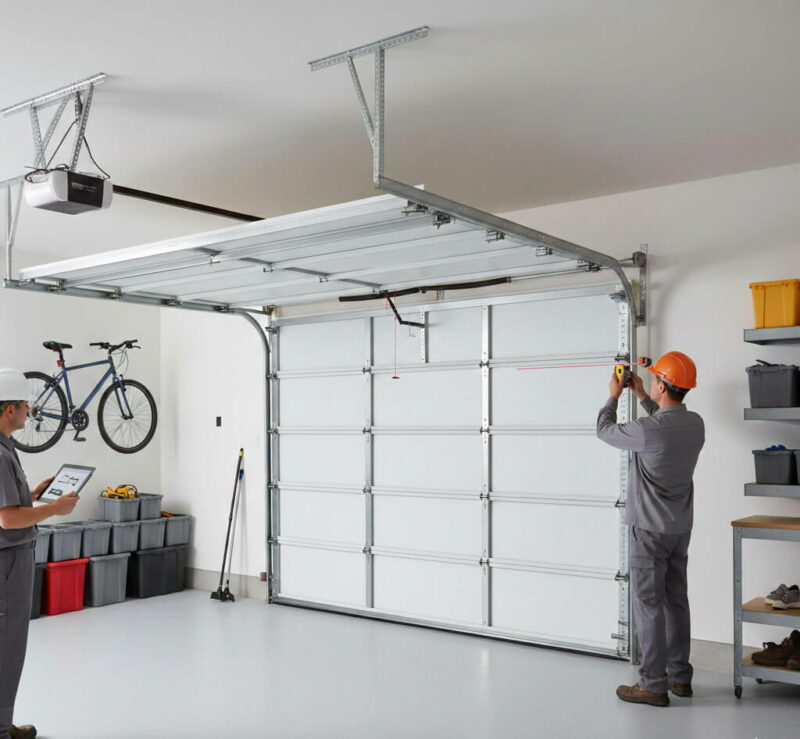
Sectional garage doors are made up of hinged panels that move vertically and then horizontally. This movement provides excellent sealing and stability, but it also means the door needs room to travel.
The main components that use headroom include:
This is why Sectional Garage Door Headroom requirements vary from one garage to another — even when the door opening width and height are similar.
Auckland homes often fall into one of these categories:
Newer garages usually have:
These garages typically accommodate standard sectional door track systems without modification.
Older garages may include:
In these cases, headroom needs to be assessed carefully to determine whether:
Not all sectional garage doors use the same track layout. When ceiling space is limited, alternative configurations can often be used.
These are the most common and generally offer:
They work best when ceiling clearance above the opening is generous.
Low-headroom track systems are designed to:
However, low-headroom setups can involve:
This is why accurate measurement and professional assessment matter before committing to a door type.
Automation adds another layer of planning.
A motorised sectional garage door needs space for:
In garages with limited ceiling space, motor selection and rail positioning become just as important as the door itself.
Sectional doors are generally very automation-friendly, but automation should be considered during the design stage, not added as an afterthought.
If insulation is also being considered, this should be planned alongside automation, as insulated doors are heavier and may influence hardware selection.
Headroom issues often arise not because sectional doors won’t work — but because they weren’t planned correctly.
Common mistakes include:
These issues can usually be avoided with a site assessment before finalising the door type.
If headroom is restricted, there are usually several options:
The key is identifying limitations early so the door system can be designed around them.
This is especially important in renovation projects, where ceiling structures are often fixed and less flexible.
The table below summarises the main factors that affect headroom requirements and why they matter.
| Garage Factor | Why It Matters |
|---|---|
| Ceiling height | Determines track and spring layout options |
| Door height | Affects the clearance needed above the opening |
| Ceiling obstructions | May limit track or motor placement |
| Automation | Requires additional space for motor rails and safety systems |
A garage is often suitable for a sectional garage door if:
Because every garage is different, the most reliable way to confirm suitability is a professional assessment rather than relying on generic measurements.
Headroom is one of the most important — and most misunderstood — factors when choosing a sectional garage door. While these doors do require ceiling space, modern track systems and careful planning mean they can work in a wide range of Auckland garages.
Understanding headroom early helps ensure:
Whether you need a simple roller door, a premium insulated sectional door, or a custom architectural solution, we'll help you understand exactly what factors affect your investment—and how to get the best value.
Call 021 764 609 or email info.doorcompany@gmail.com today.
Let's discuss your garage door project and find the perfect solution within your budget.
SEO By 