The springs do the lifting, not the motor. They are the most common failure on any garage door, and the one part of it that is genuinely dangerous to touch.
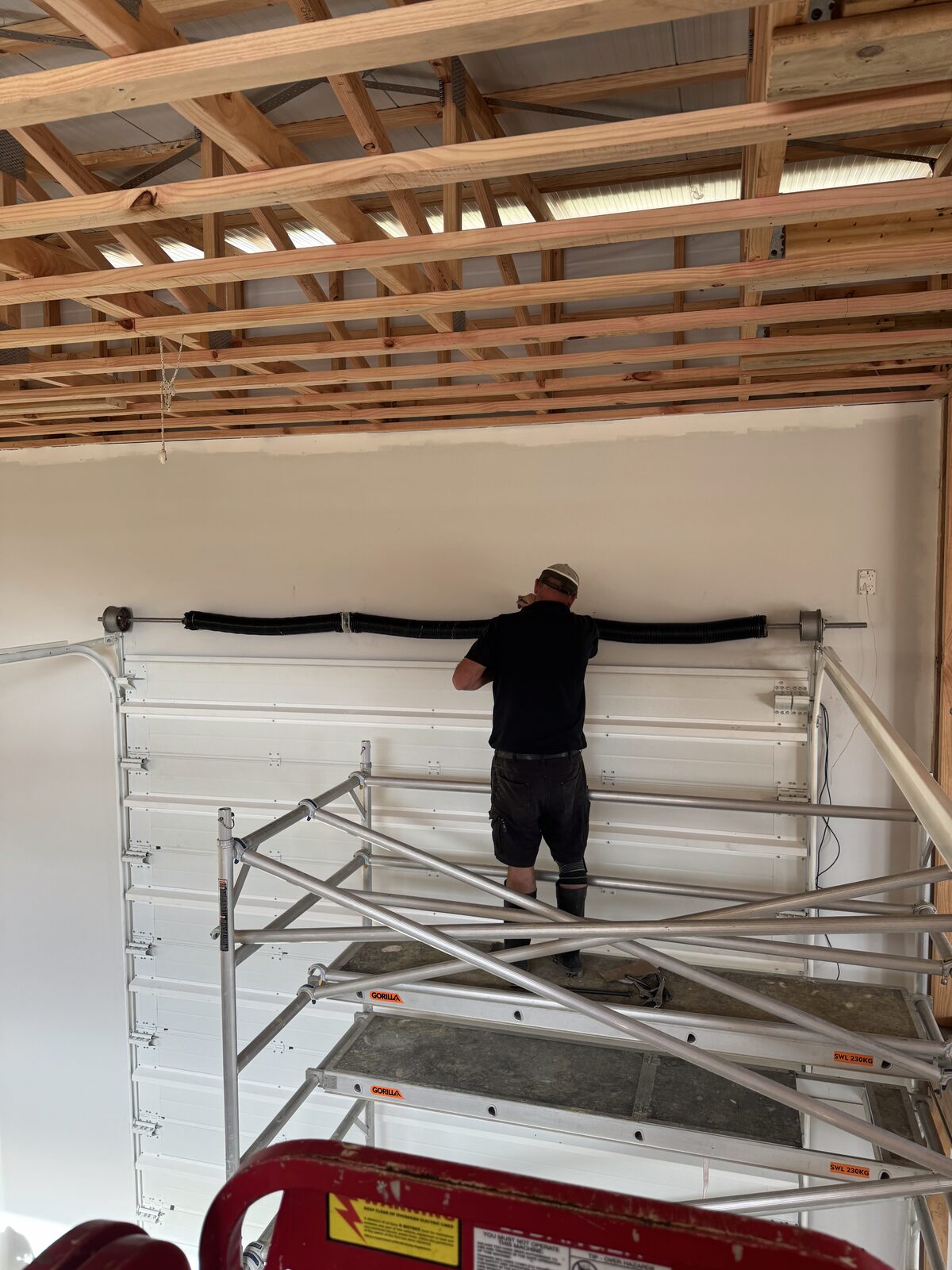
Because a garage door is far too heavy to lift directly. The springs counterbalance the door weight so that a correctly balanced door feels almost weightless by hand and the opener only has to overcome friction. Without them the motor would be lifting the full weight on every cycle, and it would not last long doing it.
A steel coil mounted on a shaft above the opening, wound under tension. As the door closes the spring winds up and stores energy; as it opens that energy comes back out. Length, wire gauge and inside diameter are all matched to your door.
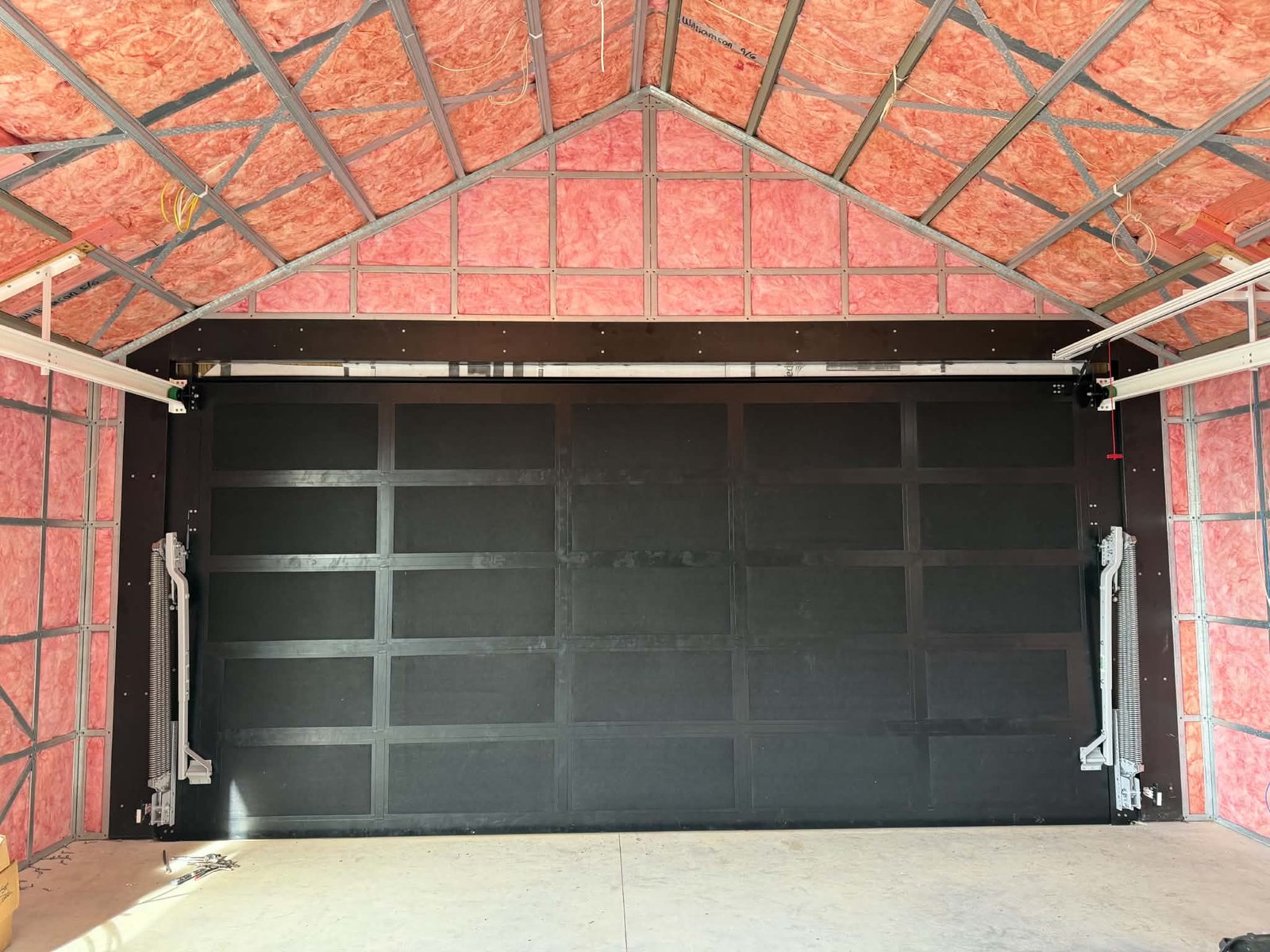
Mounted along the horizontal tracks and stretched as the door closes. More common on older and lighter doors. They should always run with a containment cable so a failed spring cannot whip loose.
A spring is specified from the finished weight of the door, which is why an insulated or clad door needs a different set to a plain steel one. The wrong spring fails early and takes the opener with it.
Springs are rated in cycles rather than years, so how long a set lasts depends on how often the door runs and what the air is doing to the steel. One open and one close is a cycle. A door used six times a day wears roughly three times faster than one used twice. Salt air shortens it further, which is why coastal Auckland sees more spring work than inland suburbs.
Auckland-wide spring replacement on any brand. Call before midday for the best chance of same-day, especially in East and South Auckland.
021 764 609