
Insulating internal access garage spaces is a critical step for New Zealand homeowners looking to maintain a dry, warm environment. When a garage has internal access to the home, leaving it uninsulated can lead to ongoing comfort issues, higher moisture levels, and avoidable wear on the home itself. While an uninsulated garage door may seem adequate at first, the long-term effects often become noticeable over time—especially in New Zealand’s humid and changeable climate.
For Auckland homes in particular, where garages are commonly attached and used daily, insulation plays a much bigger role than many homeowners expect.
An internal access garage is not isolated from the rest of the house. Air, temperature, and moisture all move between the garage and living areas, even when doors are closed.
Without insulation, the garage becomes a buffer zone that works against the home rather than supporting it.
Common characteristics of uninsulated internal access garages include:
Over time, these conditions affect not just the garage, but also the adjacent rooms.
One of the most immediate effects of not insulating an internal access garage is heat loss.
A non-insulated garage door:
This temperature difference encourages air movement from the garage into the house, particularly through internal access doors and shared walls.
In winter, this can make nearby rooms feel colder. In summer, the garage may trap heat and radiate it back into the home during the evening.
Insulated garage doors help reduce these extremes by slowing heat transfer and keeping garage temperatures more stable.
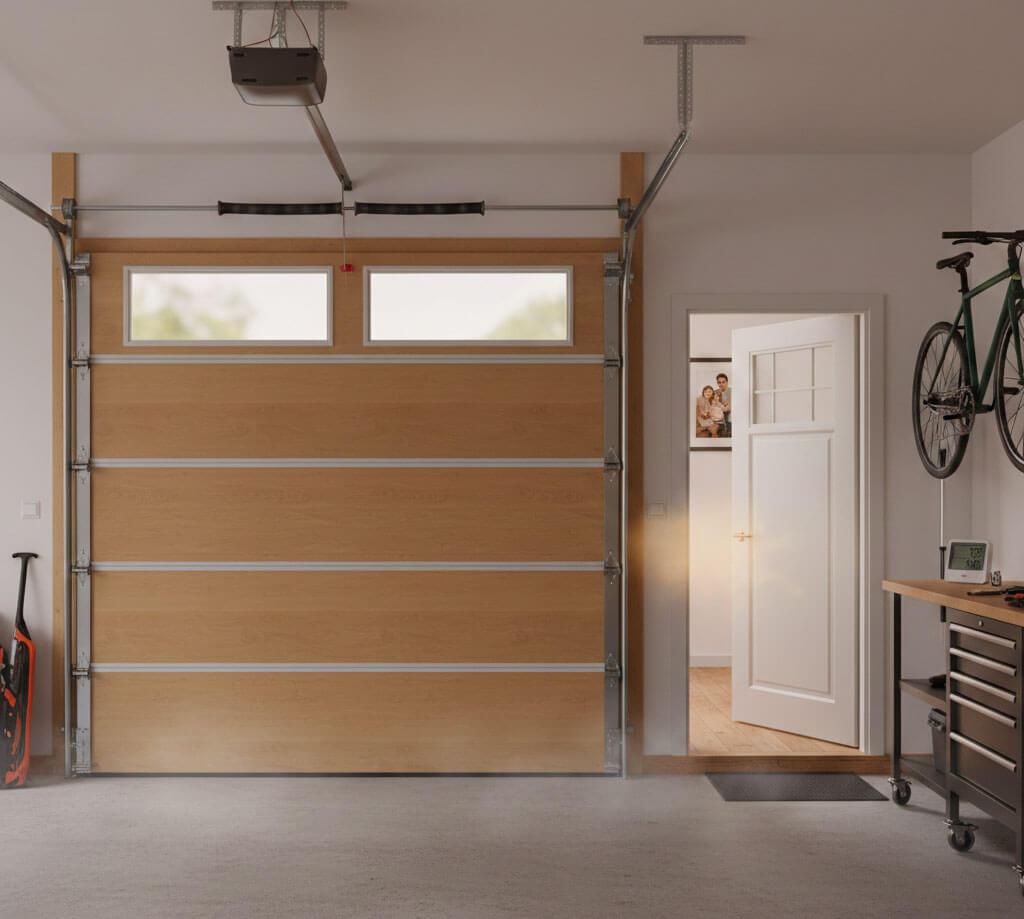
Moisture is one of the biggest hidden issues in uninsulated garages.
When warm, moist air enters a cold garage, condensation forms on:
Over time, this moisture buildup can lead to:
In Auckland’s coastal and humid conditions, this effect is often more pronounced.
The internal door between the garage and the house is often overlooked, but it’s one of the first places issues appear.
Without garage insulation:
Bedrooms, hallways, and living spaces adjacent to the garage often feel colder or damper as a result.
Insulating the garage door helps reduce the load placed on the internal access door by stabilising the environment on the garage side.
Noise transfer is another common issue in uninsulated internal access garages.
Non-insulated garage doors:
This can be disruptive when:
Insulated garage doors absorb vibration and reduce noise transfer, making daily use noticeably quieter—especially when paired with well-sealed sectional garage door systems.
Although garages are usually not heated directly, temperature instability in an internal access garage can affect the home’s heating and cooling systems.
When cold air enters the house through the garage:
Over time, this increased load can contribute to higher energy use and uneven heating throughout the home.
Insulating the garage door helps reduce this pressure by keeping garage temperatures closer to indoor levels.
Many homeowners use their garage for more than just parking.
Without insulation, garages can become:
Insulated garage doors help make the garage more usable year-round by creating a more stable internal environment.
This is particularly valuable in homes where the garage functions as a workshop, home gym, or general utility space.
The effects of not insulating an internal access garage often appear gradually rather than immediately.
Common long-term signs include:
Once these issues become noticeable, addressing them usually requires more than just minor adjustments.
| Aspect | Insulated Garage Door | Non-Insulated Garage Door |
|---|---|---|
| Temperature stability | More consistent throughout the day | Rapid temperature swings |
| Condensation risk | Reduced due to warmer internal surfaces | Higher, especially in humid conditions |
| Noise transfer | Lower vibration and sound transmission | More noise passes through the door |
| Garage usability | More comfortable year-round | Limited in colder or damp periods |
Leaving an internal access garage uninsulated may not cause immediate problems, but over time it can affect comfort, moisture levels, noise, and overall home performance.
Insulated doors help reduce these issues by stabilising temperature, limiting condensation, and improving sound control—making them a practical upgrade for many Auckland homes.
Whether you need a simple roller door, a premium insulated sectional door, or a custom architectural solution, we'll help you understand exactly what factors affect your investment—and how to get the best value.
Call 021 764 609 or email info.doorcompany@gmail.com today.
Let's discuss your garage door project and find the perfect solution within your budget.
SEO By 