
Sectional garage doors are reliable and durable when installed correctly, but sectional garage door problems can still develop over time like in any mechanical system. Most of these issues are not caused by the door itself, but by installation quality, setup accuracy, and lack of maintenance. Understanding the most common issues — and how they’re avoided — helps homeowners protect performance, safety, and long-term reliability
This article focuses on prevention, not repairs, and is intended to help homeowners recognise early warning signs before small issues turn into expensive problems.
Sectional garage doors are designed to distribute weight evenly across multiple panels, tracks, and springs. This balanced design is one reason they’re commonly used in modern Auckland homes, especially for internal access garages and automated systems.
When problems occur, they usually stem from:
Choosing the right system and installing it correctly from the start plays a major role in avoiding these issues.
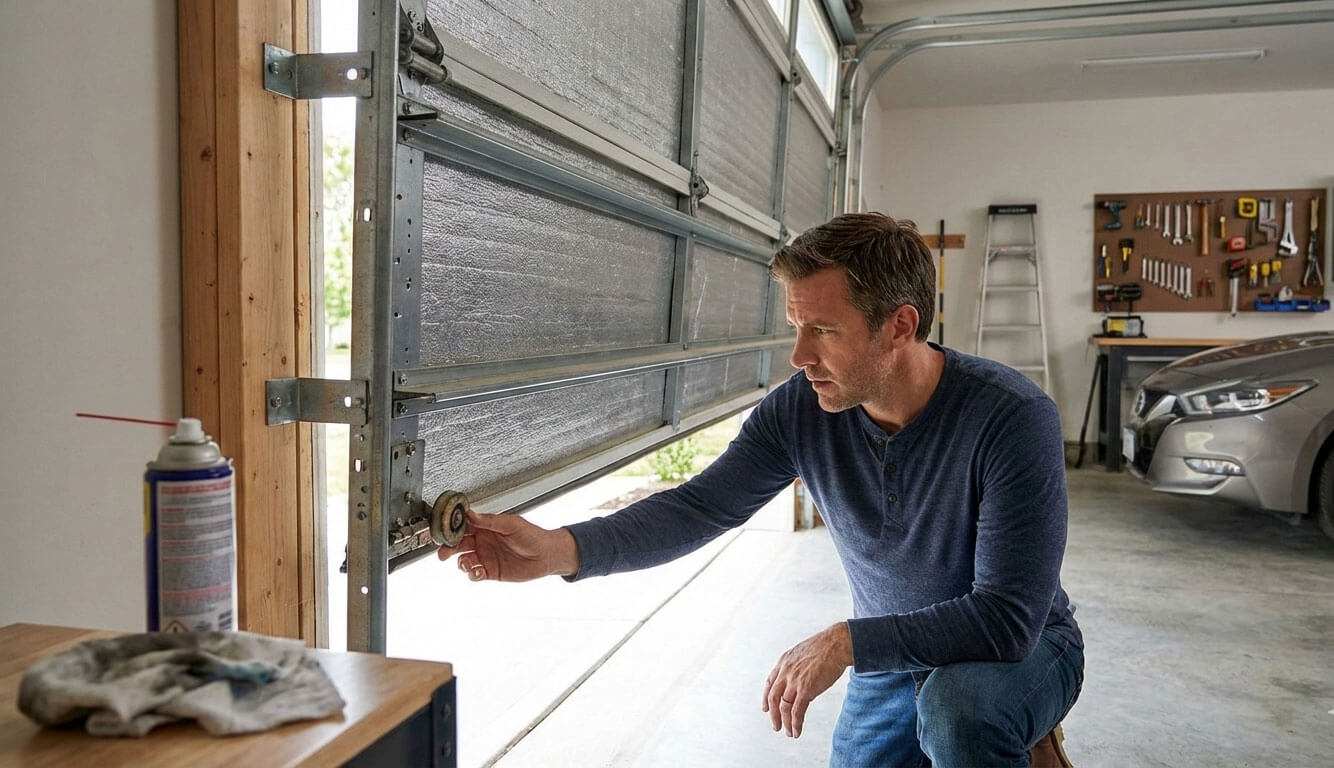
One of the earliest signs that something isn’t quite right is noise. While no garage door is completely silent, sectional doors should operate smoothly without loud rattling, scraping, or banging.
Common causes of excessive noise include:
Noise often increases gradually, which is why it’s easy to ignore at first. Addressing minor noise early can prevent accelerated wear on moving components.
For garages connected directly to the home, noise control becomes even more important, particularly when the door is used early in the morning or late at night.
Problem 2: Uneven lifting or jerky movement
A sectional garage door should lift smoothly and evenly along its tracks. When one side appears to lag behind the other, it is one of the most visible sectional garage door problems and usually indicates a balance issue.
Uneven movement can be caused by:
This type of issue doesn’t just affect operation — it can place additional strain on springs and motors.
A properly balanced sectional door should feel relatively light when lifted manually. When balance is off, motors work harder than they should, shortening their lifespan.
Avoiding this problem starts with accurate installation and continues with periodic checks to ensure the system remains balanced.
Sectional garage doors are well suited to automation, but automation systems rely on the door being correctly balanced and aligned.
Premature motor wear is often linked to:
This is especially relevant for insulated sectional doors, which are heavier due to their panel construction.
When these steps are followed, automation systems tend to perform smoothly and reliably over many years.
While sectional garage doors generally seal better than many other door types, sealing performance still depends on correct installation and ongoing condition.
Poor sealing can result from:
Drafts may not be obvious inside the garage, but they can affect temperature and comfort inside the home — particularly with internal access garages.
Strong sealing is one of the reasons sectional doors are commonly recommended for garages connected to living spaces.
Many garage door issues develop slowly and can be prevented with basic maintenance. Without servicing, small problems often go unnoticed until performance drops suddenly.
Lack of maintenance can lead to:
Routine servicing helps identify minor adjustments before they become major problems.
Many of the issues listed above trace back to installation quality. Sectional garage doors require precise setup, including:
This is why sectional doors should always be installed by experienced technicians familiar with the system being used.
For homeowners planning new installations or replacements, starting with the correct system design reduces the likelihood of future issues.
The table below summarises typical issues with sectional garage doors and the most effective prevention strategies.
| Common Issue | How It’s Avoided |
|---|---|
| Excessive noise | Correct alignment, lubrication, and regular servicing |
| Uneven lifting | Accurate spring tensioning and balanced setup |
| Motor strain | Door balance matched to automation system |
| Drafts or poor sealing | Proper sizing and maintained perimeter seals |
| Shortened lifespan | Routine inspections and preventive maintenance |
If a sectional garage door:
It’s usually a sign that the system needs adjustment rather than replacement.
Addressing these signs early helps preserve performance and safety.
Sectional garage doors are a dependable choice for many Auckland homes, but like any mechanical system, they rely on correct setup and care. Most common problems are avoidable with professional installation, balanced automation, and periodic servicing.
By understanding how issues develop and what prevents them, homeowners can extend the life of their door system and maintain smooth, reliable operation.
For a deeper look at system options, installation, and long-term performance, visit the main service page.
Whether you need a simple roller door, a premium insulated sectional door, or a custom architectural solution, we'll help you understand exactly what factors affect your investment—and how to get the best value.
Call 021 764 609 or email info.doorcompany@gmail.com today.
Let's discuss your garage door project and find the perfect solution within your budget.
SEO By 